The year I learned all about burnout
I did not feel tired or demotivated.
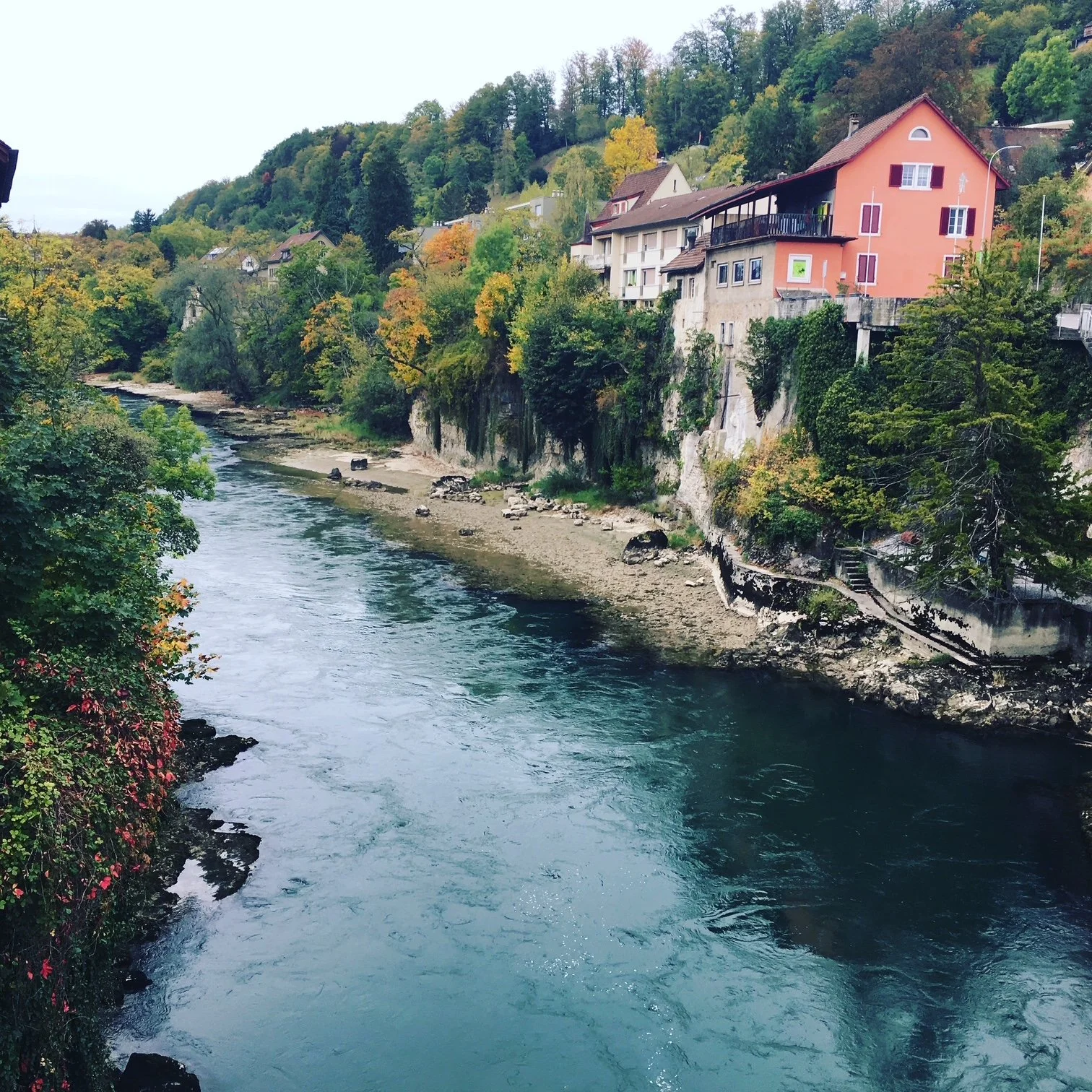
I had been living in Switzerland for several years when we moved into a small, beautiful town. We found an apartment that looked like it belonged in a postcard. My child’s kindergarten was directly in front of our home. My new job — one I was genuinely excited about — was a short walk away. A river lined with trees ran across our street.
Life looked perfect.
My body didn’t agree.
It started with joint pain — first the shoulder, then the lower back, then the knees.
Then my gut rebelled. I was eating what I considered a healthy diet: mostly vegetarian, balanced meals, little oil, plenty of color, no processed snacks. Yet I had persistent stomach pain and was constipated most of the time.
Then came the headaches.
The sudden drops in blood pressure.
The dizziness.
The vertigo.
The tingling in my fingers and toes.
It felt like a game of whack-a-mole. When one symptom improved, another intensified.
I lost count of the visits to general practitioners. Eventually, they stopped taking my “random” symptoms seriously. Then came the specialists: gastroenterologist, neurologist, endocrinologist — you name it.
One day, my heart started pounding so violently that I was convinced I was dying. That’s not an exaggeration. I truly believed something catastrophic was happening inside my body. I ended up in the hospital.
My blood markers were perfect.
No explanation. Again.
The recurring narrative was always some variation of:
“You have a small child. You work full time. Your husband travels often. It’s a lot.”
But it didn’t feel like a lot.
I am hyper-organized. I had everything under control. I wasn’t overwhelmed. I was annoyed. Annoyed at a body that wouldn’t cooperate. Annoyed that no one could give me a clear diagnosis. Annoyed that the system I trusted seemed to have no answers.
And I couldn’t sleep.
Eventually, out of sheer frustration and not knowing what to try next, I called my health insurance provider. They suggested I see a psychiatrist.
I was offended.
“I am not losing my mind,” I said. “This is not psychological.”
But with no other direction left, I went.
That is where I heard the word burnout for the first time.
At that time, it wasn’t widely discussed. It wasn’t in headlines or social media conversations. To me, it sounded like a vague synonym for stress — an imprecise label for something that clearly had physical manifestations.
I’m a scientist.
I needed mechanisms. Biomarkers. Explanations.
Burnout felt like a diagnosis without data.
I was frustrated. I felt the system had failed me. I wanted to succeed at my new job. I wanted to be a good mother, a good partner, a competent professional. I didn’t want to feel like a diminished version of myself.
But that was the year everything began to unravel — and, eventually, to rebuild.