

My story

The internet changed my life.
Hi, I’m Elaine.
I have been using computers since I was seven years old.
My aunt studied information technology and had what, at the time, seemed like an extraordinarily modern computer. My brother and I were fascinated by it. We both started coding very young and grew up surrounded by computers, technology and video games.
His fascination stayed closer to coding. Mine gradually went somewhere else.
I became fascinated by what computers could give me access to.
Growing up in Brazil, the early internet suddenly connected me to people, ideas and information from all over the world. I spent years in forums, talking to people I would never otherwise have met. I learned languages online—I now speak five. And I discovered that if I became curious about something, there was probably someone, somewhere, willing to teach me about it.
That idea still feels a little magical to me.
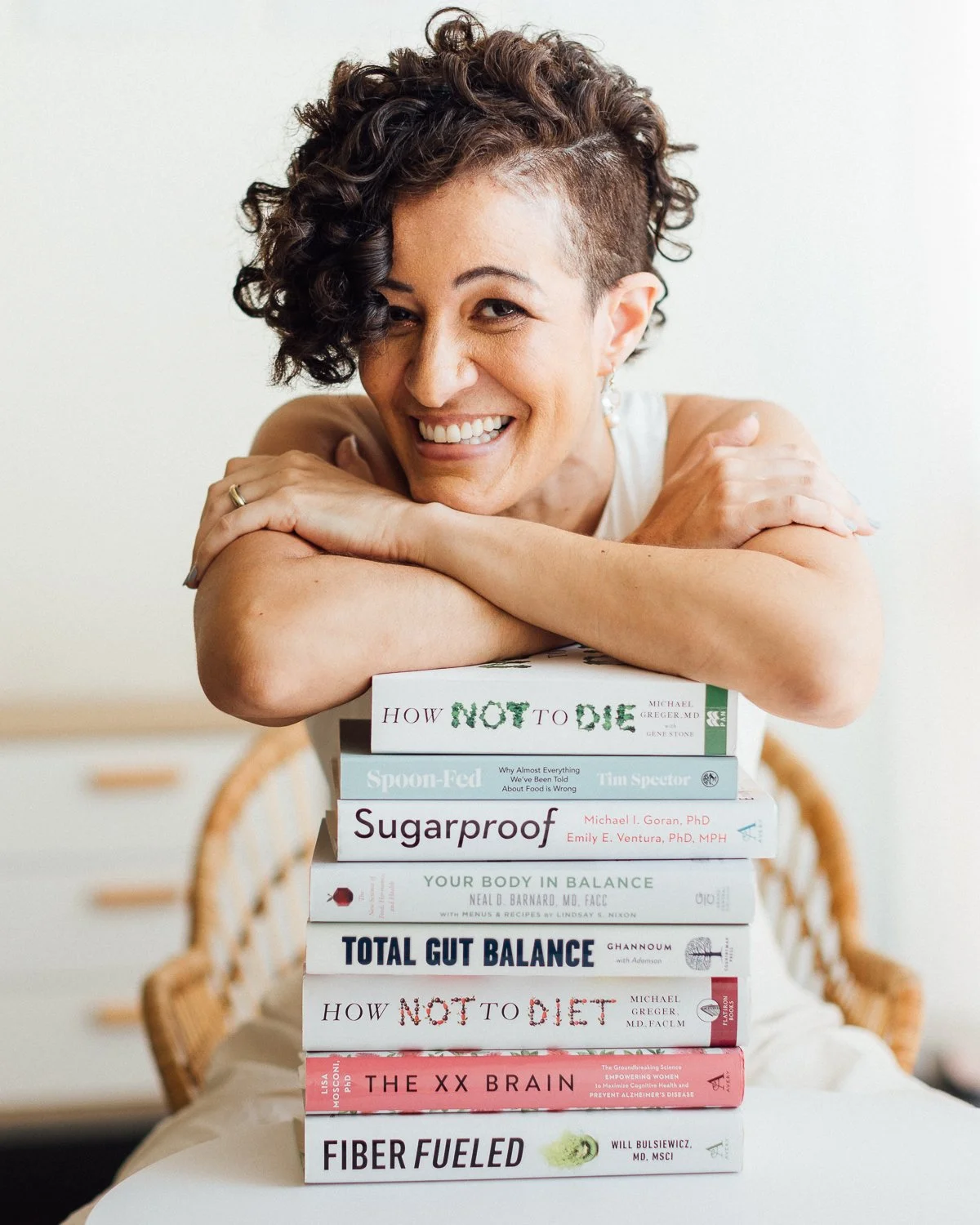
I became a lifelong student.
Over the years, I have taken an almost unreasonable number of courses.
Some were academic. Some were professional. Some were simply because I wanted to know something.
I've studied engineering and biomedical science, psychology and healthcare, technical writing, health communication, instructional design, graphic design and technology.
I've also gone online to learn about interior design, color, languages, software, how to cut my own hair and countless other things that happened to capture my attention.
During COVID, I even became a yoga teacher almost entirely online. I practiced teaching by recording myself at home and teaching the people around me, while learning alongside a group of people scattered around the world who were all navigating the same strange moment in history.
I've learned mindfulness and practiced meditation online. I've attended conferences online and in person. I've learned independently, in groups, synchronously and asynchronously, through instructors, communities, books, videos, conversations and experimentation.
At the moment, among other things, I'm learning how to print T-shirts for a side project.
I don't think I'll ever stop.
There is something extraordinary about being able to sit on your couch, open a computer and enter an entirely new world of knowledge.
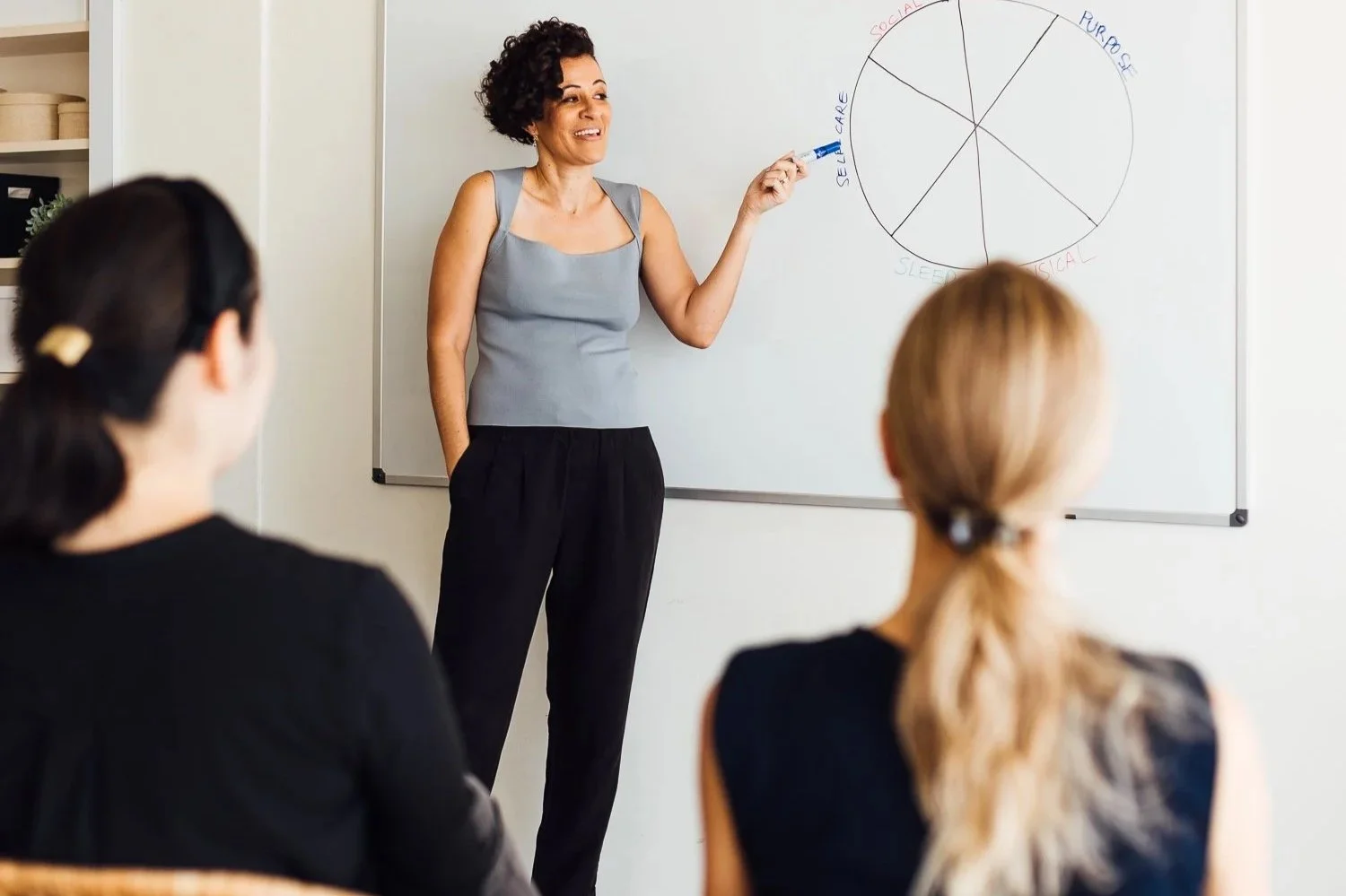
But the world became another classroom.
My education didn't only happen online.
I've lived in different countries and worked across government, industry and academia. My engineering and research career took me to conferences around the world, into laboratories, universities and professional environments where I had to explain technical ideas to very different audiences.
Sometimes that meant teaching technical courses.
Sometimes it meant presenting research.
Sometimes it meant creating the slides, diagrams, flyers, books and supporting materials that helped communicate the work.
And sometimes it meant teaching in a language I wasn't completely comfortable speaking yet.
During my PhD, postdoctoral work and academic research, I experienced what it was like to teach and communicate across languages and cultures. I learned that understanding something yourself is very different from being able to make it understandable to someone else—and that the way we communicate knowledge cannot always be separated from the people, language and context in which learning happens.
Living internationally also made me more aware that people don't necessarily approach communication, authority, participation or learning in exactly the same way.
Those experiences stayed with me.
Somewhere along the way, I became fascinated by how people learn.
After experiencing so many forms of education—from both sides—I started paying attention not only to what was being taught, but to how.
Why did one explanation stay with me while another disappeared immediately?
Why could one diagram suddenly make sense of something that several paragraphs couldn't?
When was video the right medium—and when would a simple PDF have been better?
When did an activity actually contribute to learning, rather than simply give the learner something else to complete?
How does an instructor teach something highly visual?
How do you explain something technical to someone without the same technical background?
How does teaching change when instructor and learner don't share the same first language, culture or professional vocabulary?
And why do some learning experiences make us desperately curious to know more while others make fascinating subjects feel like work?
Formal training in instructional design eventually gave me theories, methods and language for many of these questions.
But decades of being a learner—and years of having to communicate and teach my own work—gave me something equally valuable: experience on both sides of the learning experience.
Eventually, I found the work I had been looking for.
For a long time, I wanted a career in which I could learn something new every day.
I finally found it.
When a client brings me a subject, I get to enter their world.
I go through their presentations, research, documents and ideas. Sometimes the subject is relatively familiar. Sometimes I know almost nothing about it when we begin.
I love that.
I get to understand what they know, identify what their learners actually need to understand, and figure out how to bridge the space between the two.
Should this become a lesson?
Would it be clearer as a diagram?
Does someone need to see this demonstrated?
Should we use slides, video, audio, an interactive activity or something learners can download and keep?
What information belongs together?
What can we remove?
What does someone need to understand first before the next idea will make sense?
What might seem obvious to the expert but be completely unfamiliar to the learner?
And somewhere in that process, I get to learn the subject too.
It turns out my interests weren't as unrelated as I thought.
For years, my career could look slightly difficult to explain.
Engineering. Biomedical science. Psychology. Healthcare. Technical writing. Health communication. Instructional design. Graphic design. Technology.
Different countries. Different industries. Different courses. Different projects.
It took me quite a long time to realize that these weren't unrelated interests that I needed to choose between.
They were the ingredients of the work I was looking for.
Today, I get to use the analytical thinking of an engineer, the curiosity of a lifelong student, the precision of a technical writer, the audience awareness of a health communicator, the eye of a designer and my love of technology — all while constantly entering subjects I don't yet understand.
I help experts turn what they know into learning experiences that other people can understand, remember and use.
And tomorrow, I will probably have something completely new to learn.
That's exactly how I like it. ♥